

Busy week? Here's a round up of research stories from UC Davis to get you caught up.
Animal flight research takes off
Local media got a tour of the newly opened Center for Animal Flight and Innovation this week. Located at the California Raptor Center, the new lab is equipped with some very fancy video technology to capture hawks and falcons in flight in unprecedented detail. Birds can do things in the air that human-built aircraft can’t, and we might be able to learn how to apply some of these discoveries to uncrewed aerial vehicles (drones). At the same time, the lab could help the raptor center’s veterinarians better treat and rehabilitate injured birds.
Lonely teens prone to later problems
Loneliness and conflict in adolescence has lasting negative effects, according to a new UC Davis study of over 10,000 teenagers. This could be important for figuring out ways to support teens at risk and improve their lives.
“Because new peer relationships are a key characteristic of the teenage years, assessing this developmental period is crucial for understanding social health at its foundation,” said Myles N. Arrington, the study’s lead author and a post-doctoral fellow at the Teen Experiences, Emotions & Neurodevelopment (TEEN) Lab at UC Davis.
H5N1 Influenza in California elephant seals
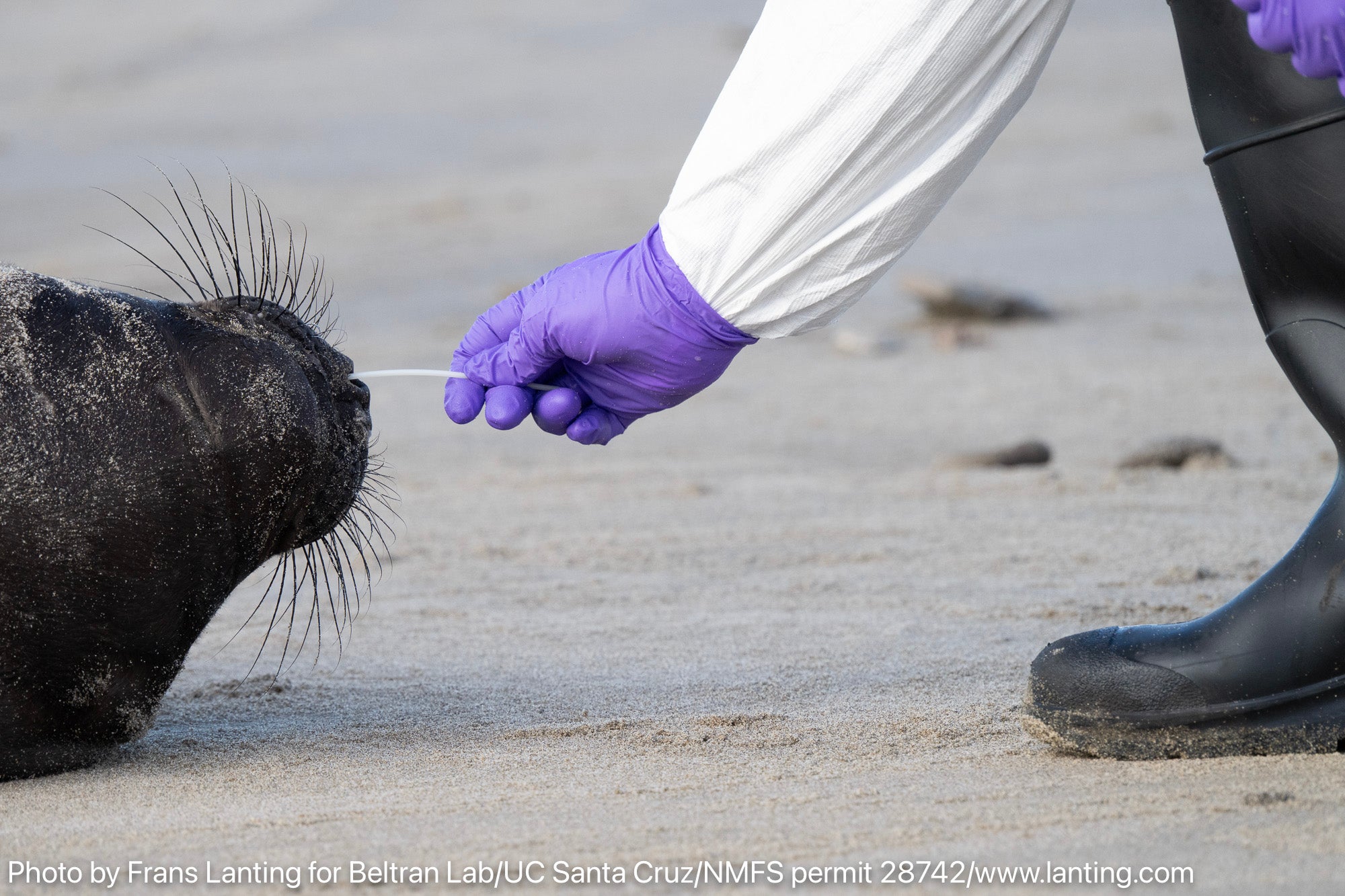
A USDA lab confirmed highly pathogenic H5N1 influenza in the elephant seal colony at Año Nuevo State Park this week. The colony has been monitored by scientists from UC Davis and UC Santa Cruz. It’s the first time the virus, which has decimated related species in South America, has been detected in marine mammals in California.
“This is exceptionally rapid detection of an outbreak in free-ranging marine mammals,” said Professor Christine Johnson, director of the Institute for Pandemic Insights at the UC Davis’ Weill School of Veterinary Medicine. “We have most likely identified the very first cases here because of coordinated teams that have been on high alert with active surveillance for this disease for some time.”
Fighting smoke taint
The wildfires of the past few years have not been good for anyone, certainly not California’s wine industry as exposure to smoke can introduce “ashy” flavors into wine. UC Davis viticulture researchers have been experimenting with a calcium spray that strengthens grape skins and may help protect them from taint.
Stem cells for spina bifida
UC Davis surgeons reported the first results of treating spina bifida – a condition where the spinal cord does not close properly during fetal development – with stem cells. This involves operating on a fetus while it is still developing inside the womb.
The results are from a phase 1 clinical trial, designed to assess safety.
“Putting stem cells into a growing fetus was a total unknown. We are excited to report great safety,” said Diana Farmer, the trial’s principal investigator and chair of the UC Davis Department of Surgery. “It paves the way for new treatment options for children with birth defects. The future is exciting for cell and gene therapy before birth.”