


For every bad thing happening in the world, there are good people trying to make things right. Sometimes they even win. That’s why I’m starting a new series on this blog called “Tell Me Something Good.”
I’m opening it up with Carson Jeffres, a UC Davis Center for Watershed Sciences researcher who helped inspire the idea, simply by telling me something good. I needed to hear it. Maybe you do, too.
Almost exactly 15 years ago, researchers at UC Davis, California Trout and other partners started testing a wacky idea: Let's plant salmon in rice fields to see how they grow. Could these winter-flooded fields serve as “nurseries” for struggling Central Valley salmon populations, allowing them a place to rest and feast on bugs before making their way to the ocean? It was called the Nigiri Project, a refreshing blend of rice and fish.
Not only did it work, but salmon raised in rice fields grew two- to five times bigger than those raised in rivers, earning them the nickname “floodplain fatties.”
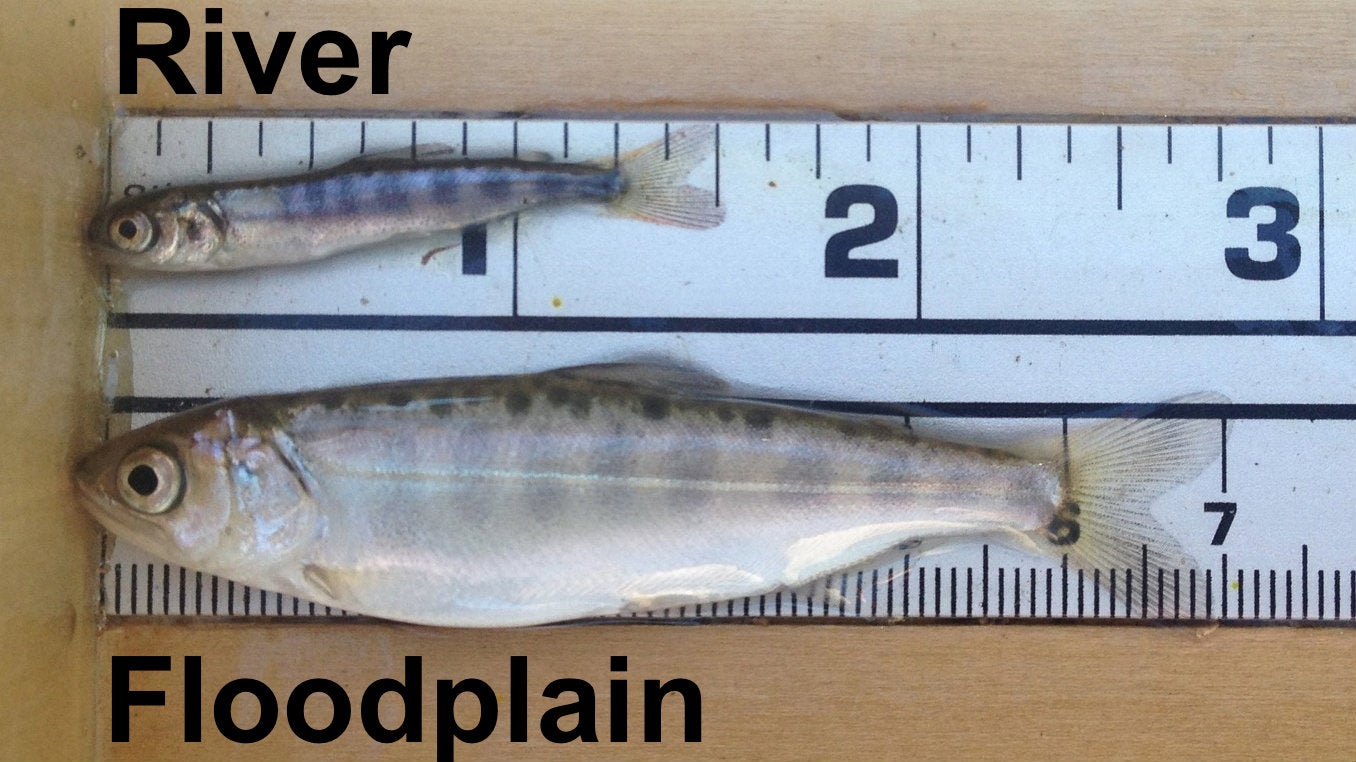
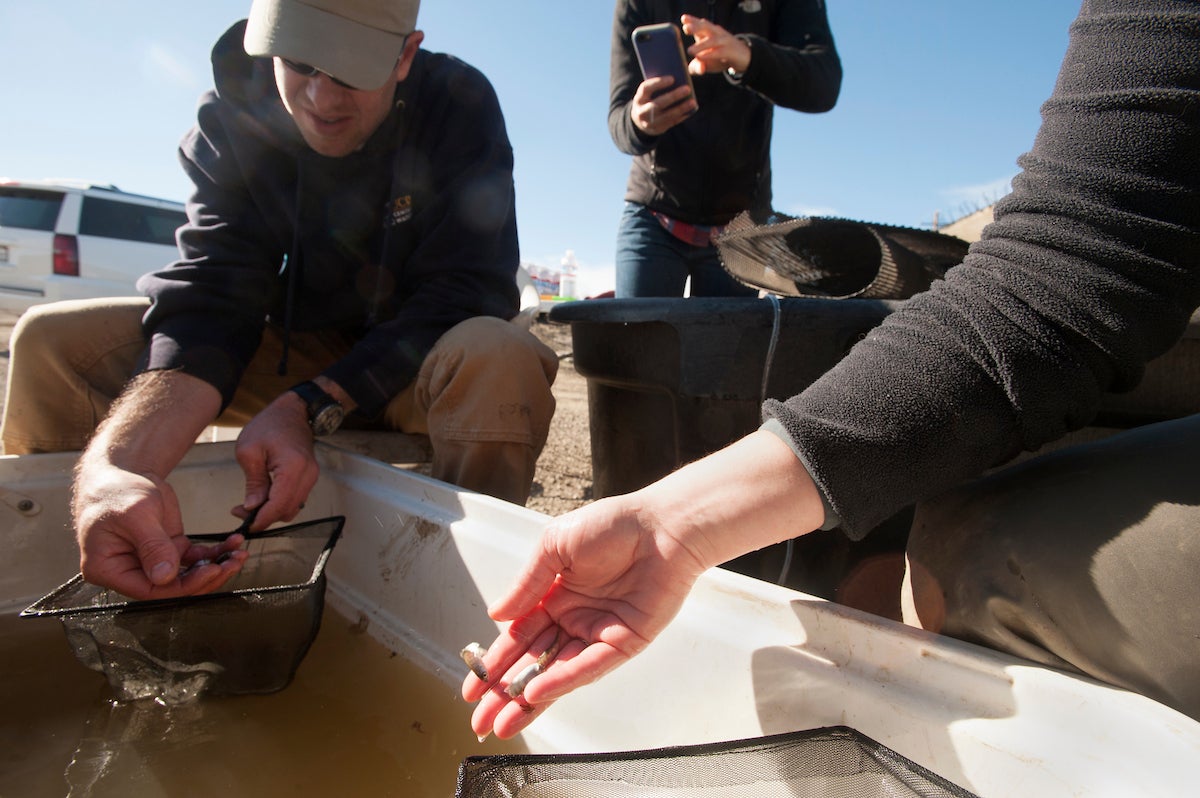
The experimental pilot projects, conducted at Knaggs Ranch, showed that flooded rice fields could act as healthy fish habitats. It was the proof of concept needed for a much bigger project – the Department of Water Resources’ Big Notch Project — that launched last fall in Yolo County. That project cut a “notch” in Fremont Weir, installed new gates and carved new channels for salmon to improve flood control and fish passage.
When the Sacramento River overtopped the weir in early January, DWR opened the notch for the first time. Almost immediately, juvenile and adult salmon began passing through. Sturgeon have also been spotted since its opening.
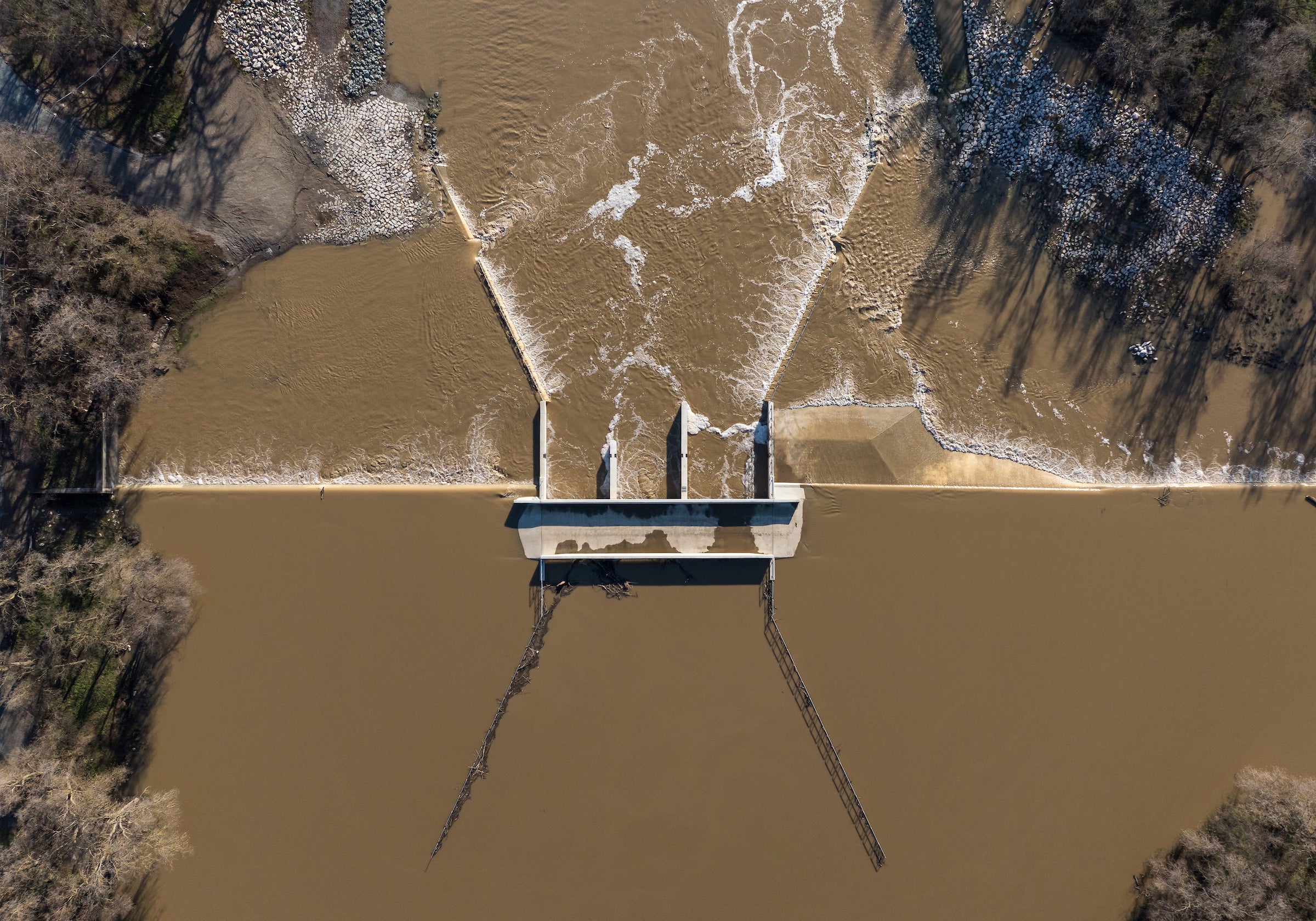
For UC Davis researcher Carson Jeffres, who was part of the Nigiri Project since its beginning, seeing these projects come together and what they mean for the future of salmon is a “career peak.”
“These adult fish trying to get back into the Sacramento River would have been stuck in the bypass,” said Jeffres, field and lab director of the Center for Watershed Sciences. Earlier this week, he helped partners at Knaggs Ranch and the Coleman National Fish Hatchery release about 300,000 baby salmon into the rice fields. The fish will soon be heading to the ocean, the opposite direction as the adults.
“Almost 15 years ago to the day, juvenile fish in meaningful numbers go into the fields and adult salmon pass through," said Jeffres. "It’s pretty amazing.”
With efforts like these afoot, Jeffres said he can’t help but feel what has been an elusive emotion for many fish ecologists: hope. He’s not alone; a colleague recently told him, “I almost think salmon won’t go extinct.”
Media Resources
So, tell me something good! Are you a researcher with good news to share about your field or something that inspires you? Is there a bright spot in the worlds of energy, sustainable food, transportation, environmental justice, biodiversity, etc., that will benefit society? I know there is, and I’m here for it. There just needs to be a UC Davis connection. Reach out at kekerlin@ucdavis.edu.