

Imagine the collective sigh of relief on campus after hundreds of students safely evacuate a smoky residence hall. But with that facility out of commission, where would the university house the residents?
Or maybe a barn was lost. How would dozens of large animals, important to teaching and research, be transported to a temporary facility?
Campus units are addressing these and other scenarios as the work of continuity planning — for continuing or resuming mission-essential functions following a disruption — gains new momentum.
“Our goal is to instill a culture of continuity planning with the understanding that time spent now on planning will save time later in recovery,” said Patrick Seward, the mission continuity planner for the campus. “Having a plan can reduce the downtime for faculty, staff and students.”
A year ago, Seward established a steering committee to help guide continuity planning, and campus leadership approved a multiyear schedule to see that campus units annually review and update or, if necessary, draft their continuity plan. He has also developed resources to help units with their plans.
The reinvigorated efforts looked first at plans for units under Finance, Operations and Administration, including the fire and police departments, Facilities Management and Utilities. Most of their plans have been completed. Work has already begun within the Office of the Chancellor and Provost, and its more than two dozen plans are expected to be updated by the start of the 2026 fall quarter. Next will be Student Affairs, then the 10 colleges and schools.
This month, Seward is scheduled to present an update on the continuity program to the Executive Policy Group, about a dozen campus leaders who provide strategic oversight related to emergency preparedness and response and mission continuity.
Need is real
Seward said emergency action plans and mission continuity plans are complementary. Emergency action plans focus on evacuating a building, keeping people safe and stabilizing an incident. Mission continuity concentrates on mitigating downtime and its associated costs, and preserving research during an incident, as well as resuming normal operations.
“The reality is that disruptive events do occur more than we think,” Seward said.
In recent years, he said, UC Davis has had to recover from fire and smoke events, power outages and public safety power shutoffs, flooding and waterline breaks, and more.
Continuity plans mandatory
Under Policy 390-10, department heads are responsible for “maintaining a program to create, maintain, update and annually test” mission continuity plans using the UC Ready online tool.
The UC Ready platform asks units to identify their essential functions; ways they will communicate; essential personnel and lines of succession; technology used; vital records; contact lists for vendors; and workarounds for a loss of networking ability, utilities, space and personnel.
While the plans help units hit the ground running, at the institutional level, they help campus leaders prioritize what capabilities need to be restored first and to what units. They identify how long a unit can tolerate the loss of a service or resource; what units they depend on and vice versa; and what impact the loss of a unit function has on campus teaching, research, operations, finances and regulatory compliance.
Meeting other requirements
Having continuity plans for animal care was integral to a mid-October visit by representatives of AAALAC International, an organization that promotes humane treatment of animals in science through a voluntary accreditation program.
In the months leading up to the scheduled audit, Seward helped update plans for more than 60 animal species in more than 58 units — some with just one animal, some with multiple facilities.
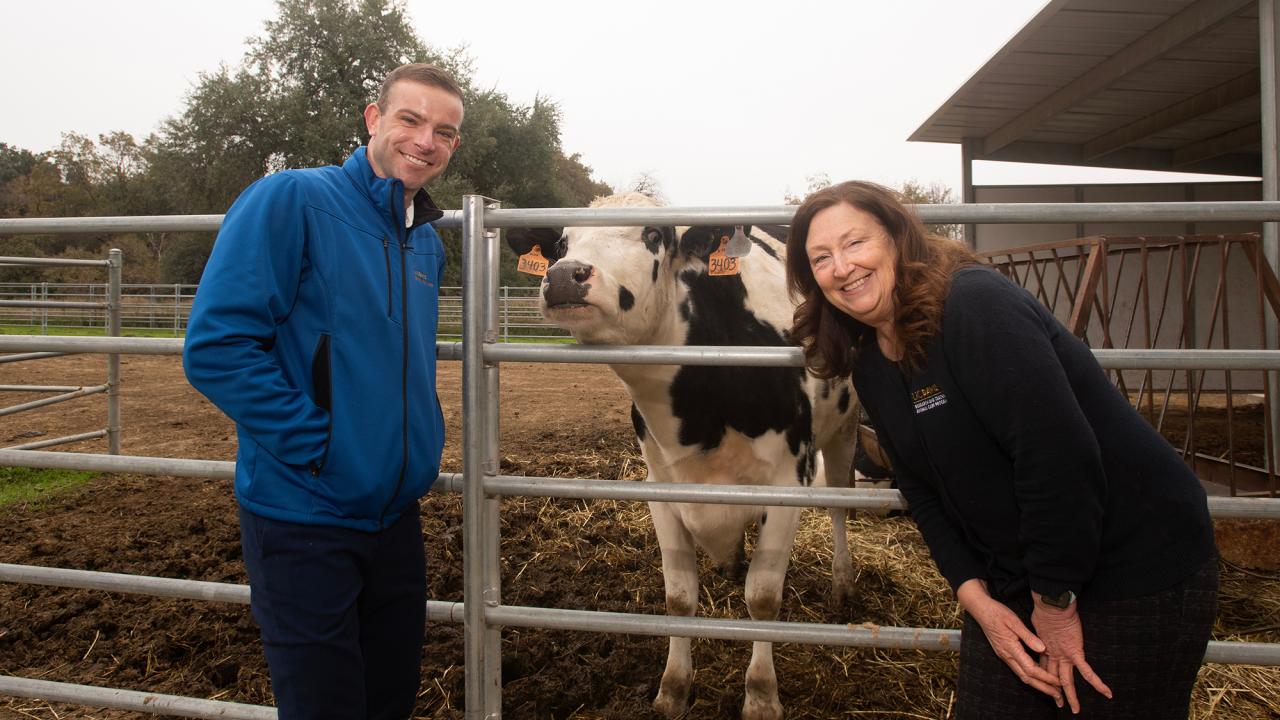
Rhonda Oates, associate vice chancellor for the Research and Teaching Animal Care Program and the campus attending veterinarian, said Seward came up with a creative solution. Plans for smaller vivaria, or animal facilities, were housed under Oates’ continuity plan for animal care services.
Oates said animals are university “heroes,” whether they are helping find cures for diseases or train veterinarians and other students. “It is critical that we care for them and have plans for them.”
Exercising plans
Student Housing and Dining Services — with a large scope of operations meeting basic needs — has one of the best developed continuity plans on the campus, Seward said. It houses more than 15,000 students in 34 residence halls and 11 apartment communities; operates 12 dining commons, markets and retail locations; and has more than 2,250 employees including students.
“We have an obligation and responsibility to house and feed our students,” said Phil Hanson, a safety and training specialist who helped develop and now helps update and exercise the housing plan. “Our goal is to document strategies for response and recovery.”
Together, the housing and dining plans include contracts with outside vendors to house students and agreements with other food operators on campus to help feed them. Among more recent changes to the housing plan, Hanson updated personnel listings, named successors for leaders and incorporated lessons learned from one of the frequent tabletop exercises.
He recalled an exercise before the pandemic that simulated the loss of Regan Hall’s Indio Building. “The learning in the exercises is just invaluable,” he said. “It was so neat to see our unit work together.”
More resources for planning
With the campus’s renewed planning efforts, come more resources to help. Housed under Emergency Planning on the Safety Services website, they include training videos, and onboarding instructions and guidebooks for using the planning software. A sample continuity plan will be added this quarter.
Seward said the preparation and review of a plan should include the unit’s safety coordinator and experts in areas critical to operations — especially in information technology. Unit leaders should be consulted about business impacts and dependencies.
Seward hosts workshops for those writing or updating plans, and he is also available to provide one-on-one help. He’s doing his own planning for a large tabletop exercise in December. Campus units with updated plans will be invited to test their plans and identify where they need improvement.
Media Resources
Julia Ann Easley, who supports communications about Student Affairs and other units, is the lead public information officer for emergency preparedness.