

You've probably seen it before: A native garden starts out lush and intentional, then slowly unravels. A meadow is overtaken by weeds. Native grasses are cut down to sad little stumps. A pollinator garden somehow loses its pollinators by year two. The vision was there. The follow-through wasn't.
Haven Kiers has a name for this: "photographed and forgotten."
Kiers, an associate professor of landscape architecture and environmental design at UC Davis, spent the past year digging into one of the least glamorous corners of her field: what happens to biodiverse landscapes after the designer packs up and leaves. The answer, she found, is often not good.
"We do our designs, maintenance is there for maybe a year, we take our pictures and then it's gone," said Kiers. "Without that long-term maintenance, you don't get the long-term performance we're designing for."
Kiers’ obsession with maintenance started at the UC Davis Arboretum and Public Garden, where working closely with grounds crews opened her eyes to a side of landscape design she'd never heard from — the people trying to keep it alive. Kiers now teaches a design course in which she invites grounds crew members to lecture about the mistakes designers make.
Her findings from the past year resulted in a report produced with Sacramento-based landscape architect Brenna Castro with Atlas Lab and funded by the Landscape Architecture Foundation. The work drew on interviews and surveys of landscape architects and maintenance professionals who work on biodiverse public lands across the country. One finding is both obvious and universally ignored: Design and maintenance exist in silos, and those silos are setting up projects to fail.
Why native and biodiverse landscapes fail
The problem shows up most acutely in large public spaces such as university campuses or city parks where budgets are thin. Maintenance crews learned their trade on lawns and hedges, not native plants. The disconnect results in what Kiers called “mow and blow” maintenance. Plant a meadow in one of these spaces, Kiers said, and you've essentially set a timer.
"Meadows sound great when you see them photographed in a magazine," she said. "But there's so much maintenance in the first couple of years to make sure weeds don't get in. If you don't do that, then you have to mow them down and start over."
Or consider what happens when someone who doesn't know native shrubs gets handed a pair of pruning shears.
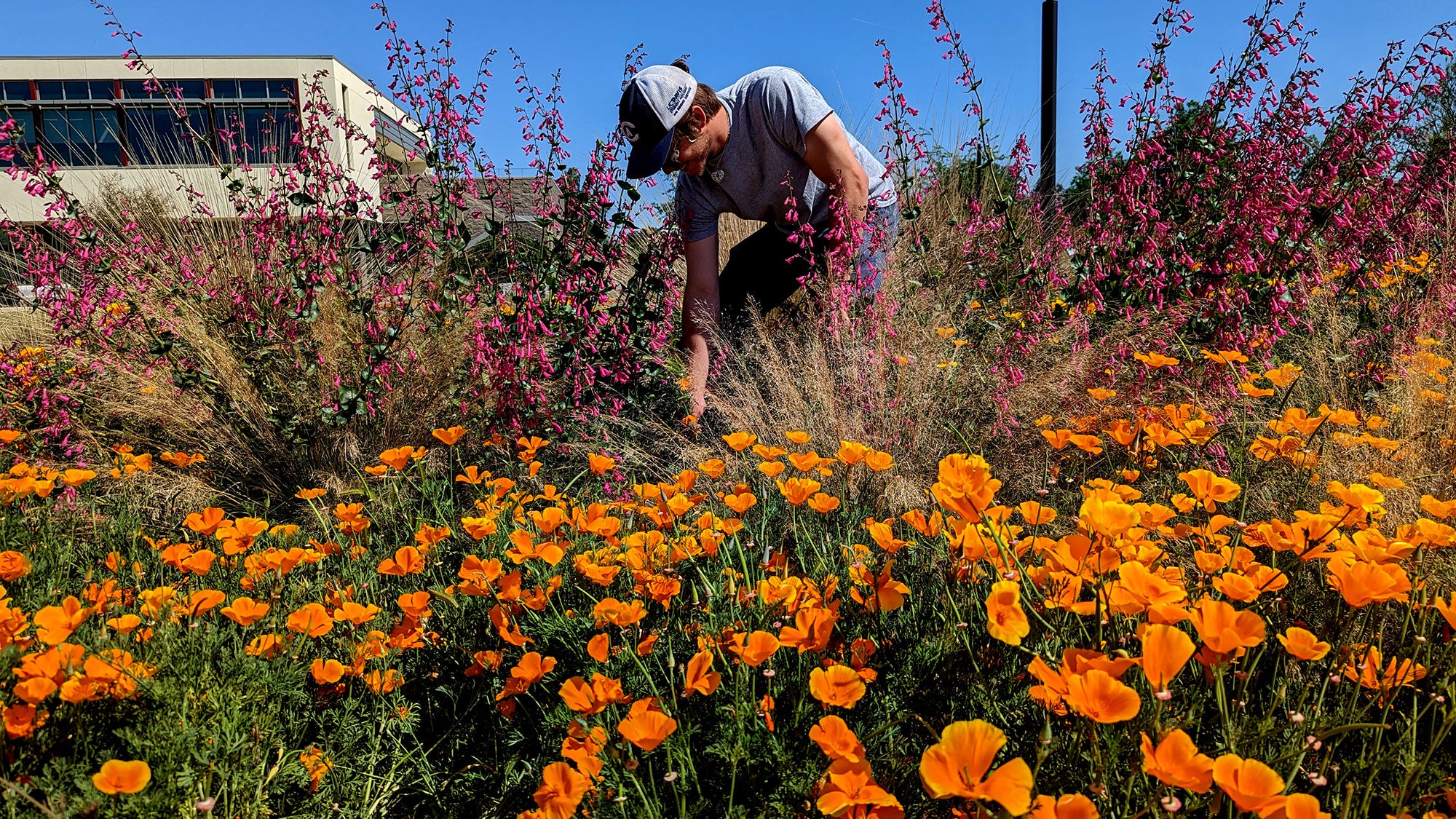
"You put in plants that are really good for pollinators and birds and then you have someone who doesn't know how or when to prune them, and they prune them into perfect little spheres or squares," said Kiers. Pruning them early could leave beneficial insects no place to overwinter. "That habitat that is so important is no longer there."
The root of the problem, the research found, is a breakdown in communication between the people who design landscapes and the people who maintain them. Designers hand off a project — maybe with a maintenance manual, usually without — and move on. Maintenance crews, undertrained and underpaid, do what they can with what they know. Nobody talks. Everything suffers.
"It's almost built in that way," said Kiers.
How to maintain a biodiverse landscape
The fix, according to Kiers and the report, starts at the beginning, before anything is ever planted. Bringing maintenance staff into the design process from day one is the single biggest intervention the research points to.
Budgets are always an issue with public projects. Funding flows readily toward capital projects, such as a shiny new garden, the commemorative plaza — but often dries up the moment construction ends.
The report found that people better care for landscapes when they feel connected to them. One example came from Detroit, where donors could sponsor a specific plant for $14 and gain a sense of ownership over a small piece of the garden. Giving maintenance workers their own designated zones and inviting them to photograph the insects and weeds they encounter can help them feel like participants rather than custodians.
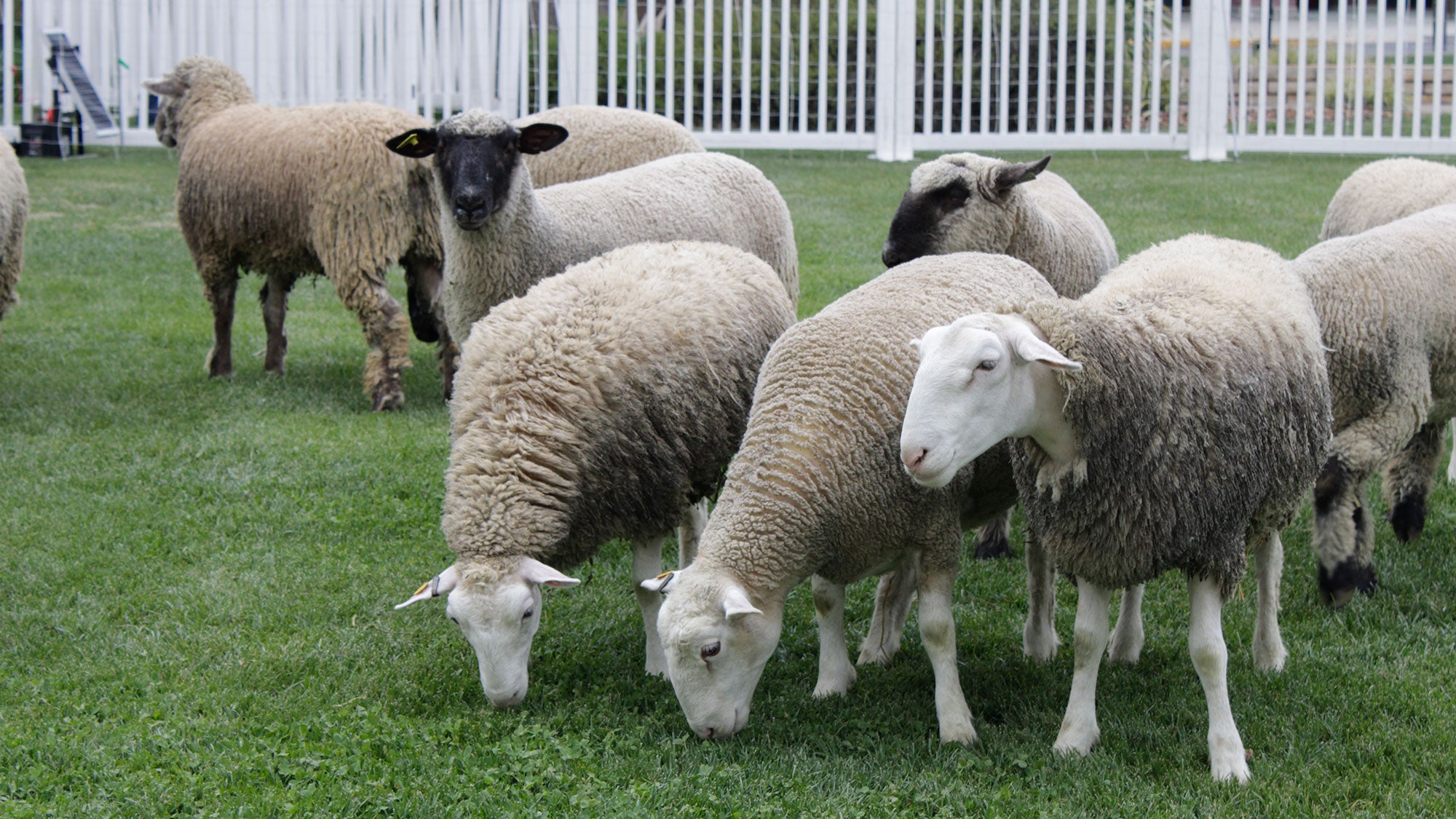
UC Davis emerged as one of the report's case studies in adaptive management. One example — the campus deploys a flock of sheep, affectionately known as the Sheepmowers, to manage vegetation near a quarantine facility where conventional mowers can't safely operate. It's the kind of creative solution the report holds up as a model.
Native garden maintenance tips for your own backyard
For all the institutional scale of the research, Kiers said the problems it describes aren't confined to public parks and university campuses. They live in your backyard, too.
Anyone who has tried to convert a lawn to native plantings — and discovered, as many have, that the installer planted an annual instead of a perennial without mentioning it, or couldn't source half the plants on the list — will recognize the same communication breakdowns and knowledge gaps playing out at a smaller scale.
The report's companion, "Groundcraft Guide," is built from case studies, interviews and surveys of designers and maintenance professionals. It offers practical, field-tested strategies for caring for native landscapes in public spaces. Some of those lessons translate directly to home gardens. Kiers said she’d like to develop a residential edition.
"There's an audience of people who want to do something exciting with their gardens but don't know where to start," she said.
She calls the long-term vision "reconciliation ecology." It's the idea that landscapes don't have to force a choice between human use and biodiversity. They can be both tidy and teeming with life, beautiful without becoming ecological deserts.
Kiers calls herself a "design-entist" — a designer who thinks like a scientist. What she really wants, she said, is to make the unsexy stuff irresistible.
"I want to make biodiverse landscapes so that they look beautiful and amazing, and people are doing it because their neighbors are doing it — not because they feel like they have to," she said. "If we can make it something that’s interesting and not a task and annoying, that's how you get to the places you want to be."