

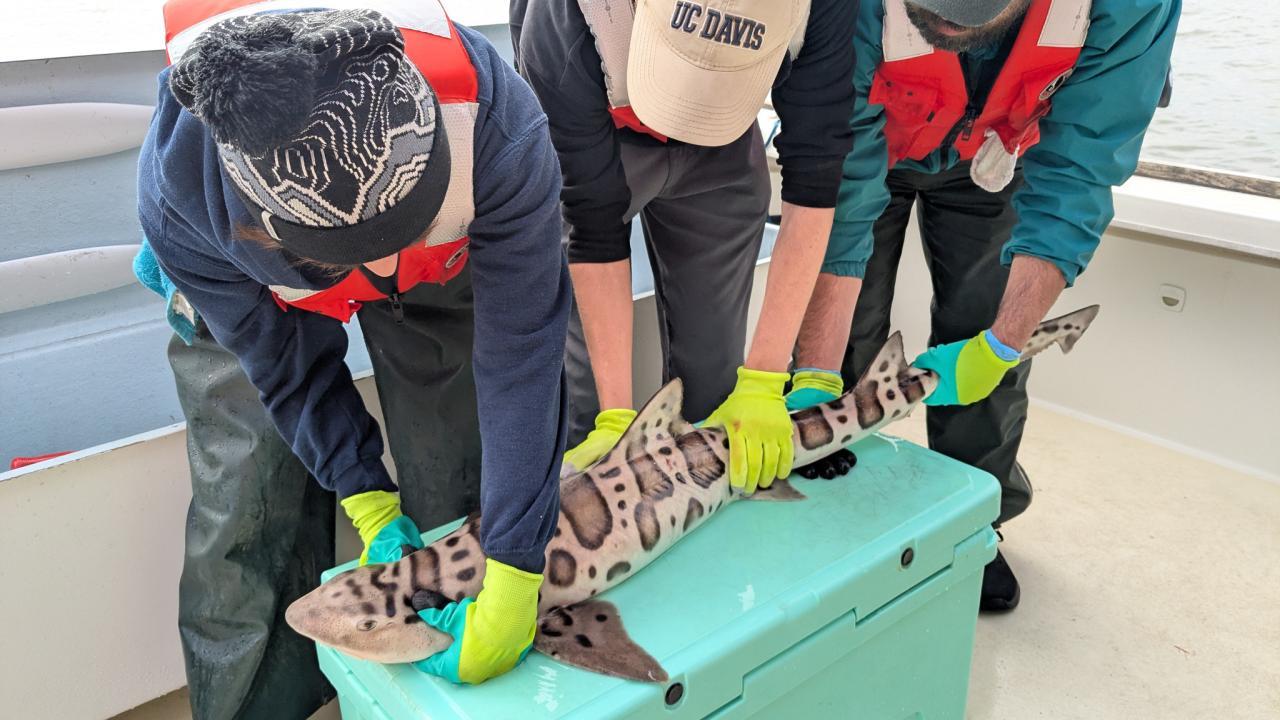
There are sharks in San Francisco Bay. More of them than you might think.
Bat rays cruise in muddy shallows. Smoothhounds slip along sandy shores. Sevengill sharks patrol deeper waters. And tucked into the wetlands and inlets of the Bay, young sharks and rays find sheltered places to feed, grow, and avoid predators.
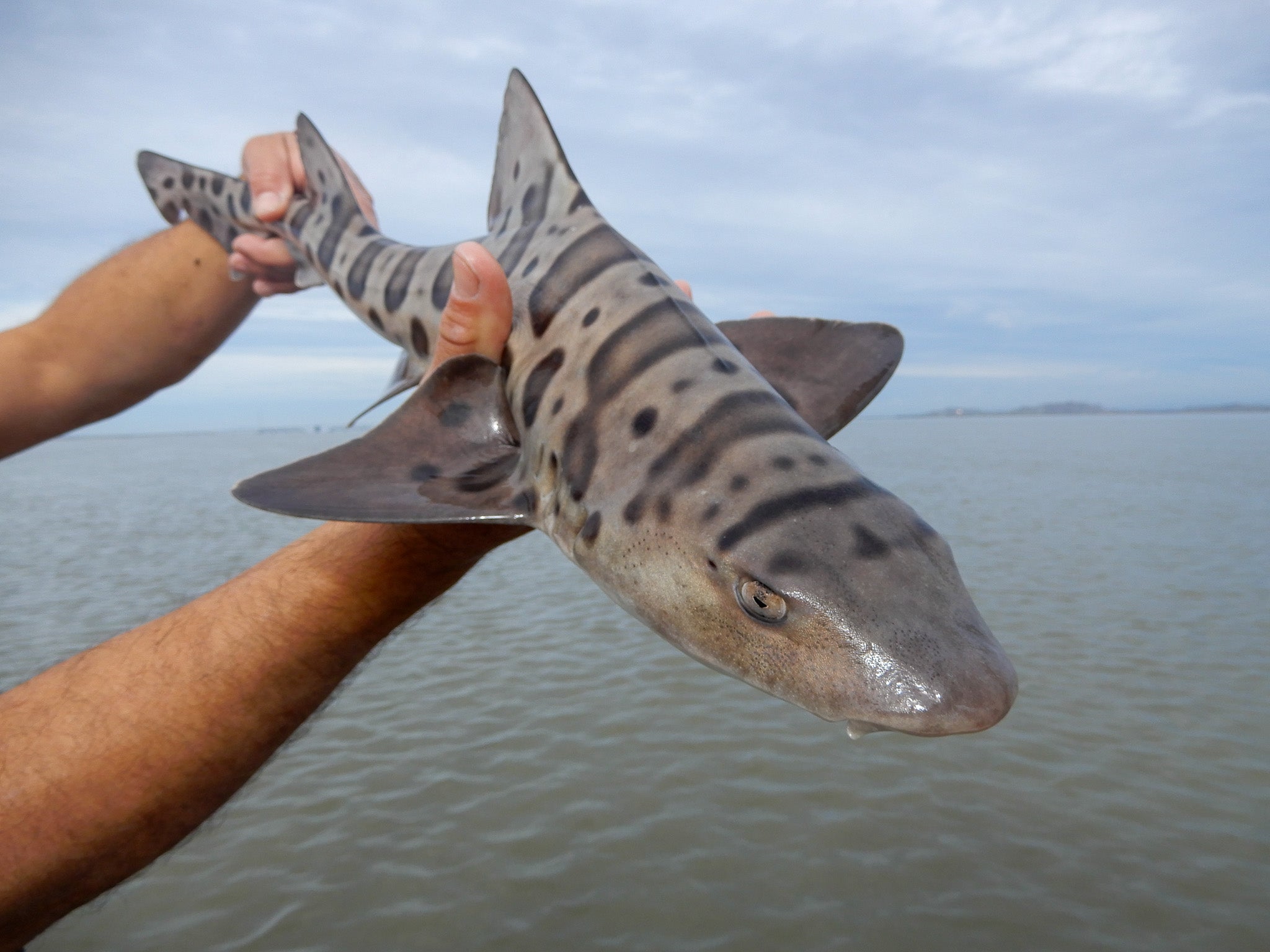
For years, scientists have documented these animals in different corners of the Bay, sometimes while investigating entirely different questions and species. Piece by piece, their observations helped reveal that San Francisco Bay isn’t just a place where sharks and rays happen to be: it’s an important part of their life cycle.
Earlier this year, the International Union for Conservation of Nature (IUCN) designated San Francisco Bay as an Important Shark and Ray Area (ISRA), placing it among more than 750 areas around the world recognized for their importance to sharks, rays and skates. The designation is not a regulatory protection, but it puts the Bay on a global map and highlights the years of research that helped get it there.
Contributing data to the assessment were two University of California, Davis researchers — Meghan Holst and Levi Lewis. They are working in very different parts of the Bay and studying these animals from very different perspectives.
Read the rest of this story at the UC Davis Coastal and Marine Sciences Institute website.
Media Resources
Jessica Lee, UC Davis Coastal and Marine Sciences Institute, jmpramos@ucdavis.edu
Kat Kerlin, UC Davis News and Media Relations, 530-750-9195, kekerlin@ucdavis.edu