
How our oil research helps producers and consumers
Are olive and avocado oils healthy?
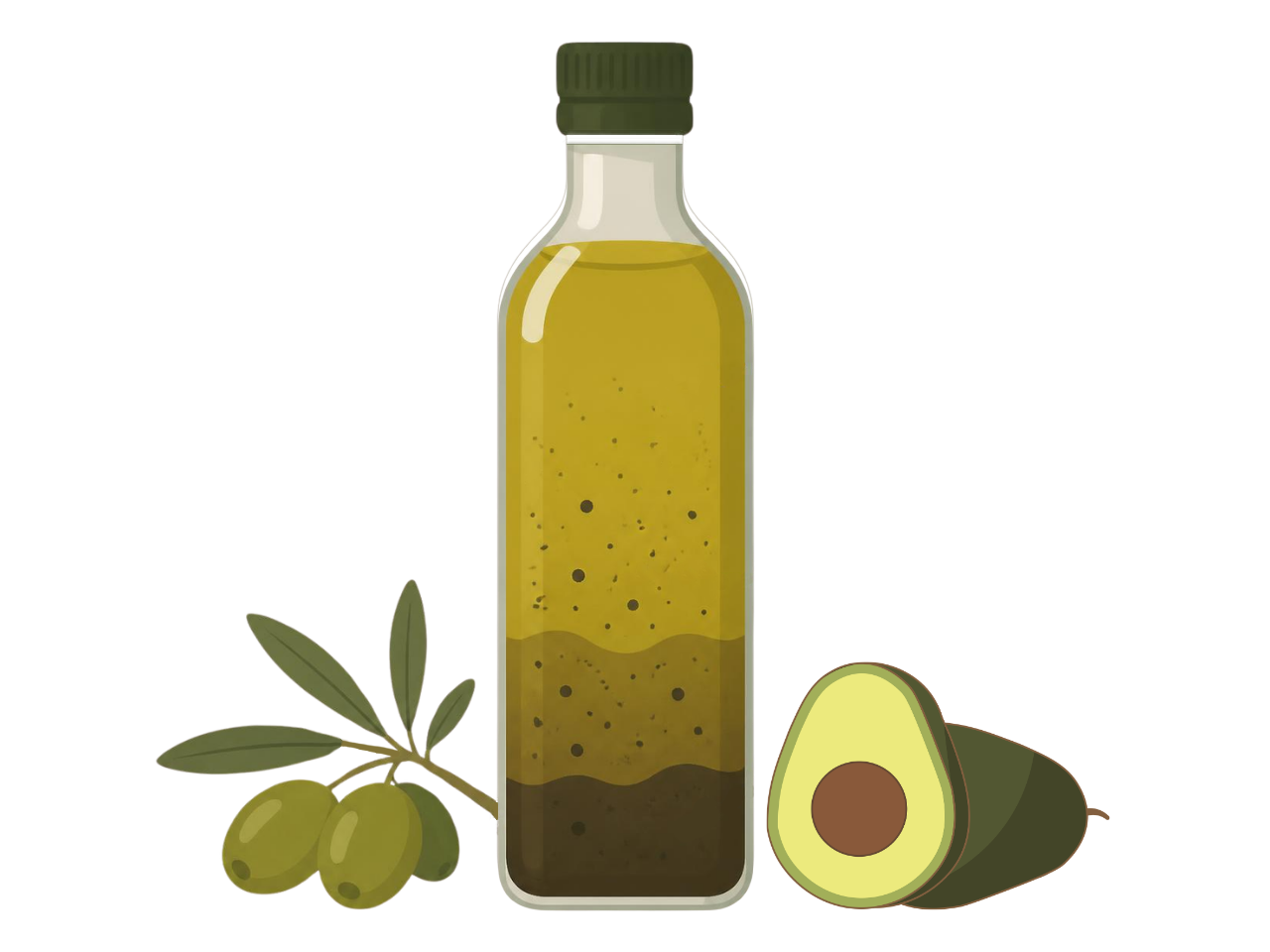
It depends. Pure olive and avocado oils are naturally rich in healthy monounsaturated fats. Both are recognized as premium, heart-healthy oils that help reduce the risk of chronic conditions when consumed in pure form.
But here’s the catch. According to our food quality research, store-bought products — especially avocado oil — frequently suffer from widespread mislabeling and adulteration with cheaper oils.
These research results mean not every bottle of oil you buy from the store is pure even if the label says it is.
How research benefits you
Our food experts use their research findings to:
1. Guide policymakers in creating better food legislation.
2. Inform companies on how to improve the quality of their products.
3. Help consumers make sense of what they’re really purchasing and eating.
You can find more food science information from our Robert Mondavi Institute for Wine and Food Science.


Consumers deserve to get what they pay for, and food manufacturers deserve confidence that the ingredients they purchase from suppliers are authentic.
— Selina Wang, UC Davis food scientist
Impact of federal funding on olive research
How does federal funding support olive oil quality? This one-page document outlines the UC Davis Olive Center’s funding sources and research impact. Learn how our work helps protect consumers and provides evidence to guide food standards and oversight.
Fill out the form to download our Olive Center policy brief.
How we help olive oil producers
What makes California oil distinctive? Mary Mori, vice president of quality and product at California Olive Ranch, discusses how UC Davis research has helped shape the California olive oil industry and advance understanding of oil quality.
Mori also highlights the importance of federal funding, which supports the research needed to better understand what makes California olive oil distinctive and helps translate scientific discoveries into benefits for growers and producers.
UC Davis oil articles and blog posts
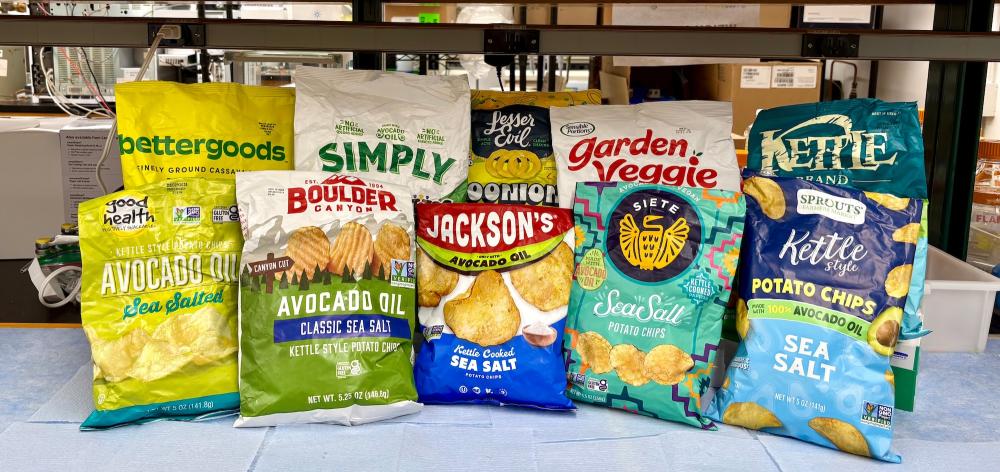
What’s in your chips?

FAQ: Olive and avocado oil
- What do olive and avocado oil labels mean?
- An oil can be pure and still lose its freshness. It can also be olive oil without meeting the standards for “extra virgin.” Those are different issues.
Extra virgin olive oil is the highest grade of olive oil. It should have fresh flavor and no off-flavors caused by poor fruit, processing or storage.
Virgin and refined avocado oils differ in how they are made. Virgin oil is extracted from the fruit by mechanical means. Refined oil goes through more processing. That does not make it poor quality: A UC Davis study found refined avocado oils that were both pure and fresh.
Purity means the oil has not been mixed with other types of oil. Rancidity means the oil has broken down over time, which can give it a stale smell or taste.
That distinction matters when reading research. A 2010 olive oil study found that many samples failed taste and smell standards for extra virgin oil. Failing those standards does not, by itself, show that an oil contains another type of oil. Those results also describe the samples tested then, not every bottle sold today.
Knowing these terms gives you a better starting point when you compare bottles at the store. - How to choose olive and avocado oil
- Look for a recent harvest date on olive oil. For avocado oil, check for a harvest or production date when one is available. A “best by” date does not tell you when the fruit was picked or the oil was made.
For olive oil, a quality seal can offer another useful clue. UC Davis’ shopping advice points to seals from groups such as the California Olive Oil Council. Dark glass or metal containers also help protect oil from light, though packaging alone cannot prove quality.
Price cannot prove quality, either. A higher price does not guarantee that avocado oil is pure or fresh.
For a closer look at dates, labels and other shopping clues, read 6 Tips for Buying Better Olive and Avocado Oil.
Once you open the bottle, its smell and flavor can tell you more about freshness. - What should fresh oil taste like?
- Fresh extra virgin olive oil can taste fruity, bitter or peppery. That peppery feeling in your throat can be a welcome part of the oil’s flavor.
Fresh virgin avocado oil often tastes grassy and buttery, with a hint of mushroom. Its flavor can vary with the fruit and where it was grown.
Oil that smells stale or reminds you of play dough may have gone rancid. Smell and taste can help you spot a freshness problem, but they cannot prove that an oil is pure.
UC Davis’ guides explain more about choosing olive oil and choosing avocado oil.
The flavor you enjoy can guide how you use the oil, too. - Can you cook with extra virgin olive oil?
- Yes. Extra virgin olive oil works well for cooking, including stir-frying. You can also use it in a salad dressing or drizzle it over a finished dish.
You may have heard that olive oil’s smoke point is too low for cooking. In fact, its smoke point varies with the oil’s grade, quality and freshness. Good extra virgin olive oil holds up well under heat.
Another common mix-up involves “light” olive oil. “Light” refers to its milder flavor and color after refining. It does not mean fewer calories.
Explore more olive oil myths and facts, including why color alone cannot tell you whether an oil is good.
Once you have chosen an oil you enjoy, proper storage helps keep its flavor fresh. - How to store olive and avocado oil
- Keep both oils in a cool, dark cabinet, away from the stove. Light, heat and air can cause oil to lose freshness. Close the lid after each use.
Choose a bottle size that fits how often you cook. For olive oil, aim to use it within weeks or a few months after opening. A large bottle is only a bargain if you use the oil while it is fresh.
If you put olive oil in the fridge, it may turn cloudy or partly solid. That change does not prove that the oil is pure or extra virgin. UC Davis researchers tested the olive oil “fridge test” and found it could not reliably measure quality or purity.
Make room for the bottle in a cool cabinet, then use it while its flavor is fresh.
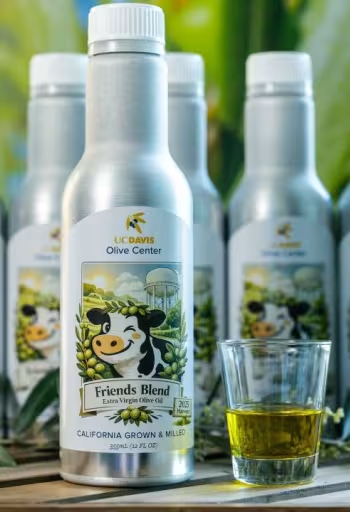
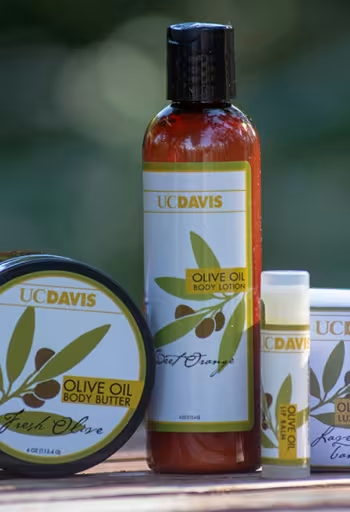
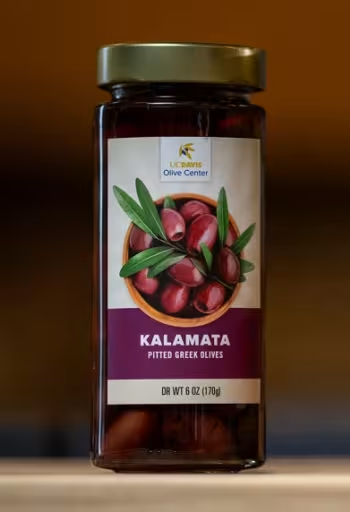
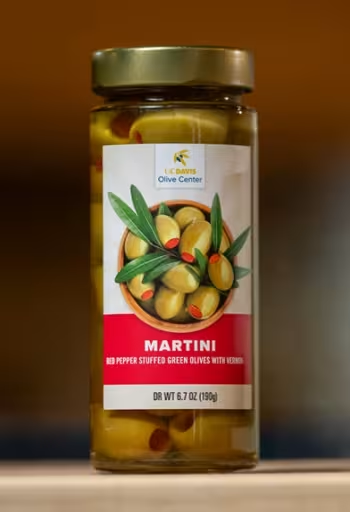
Try our olive products
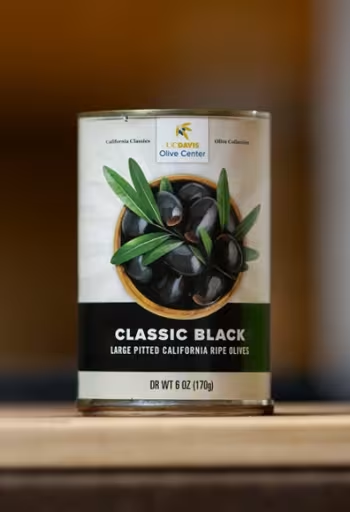
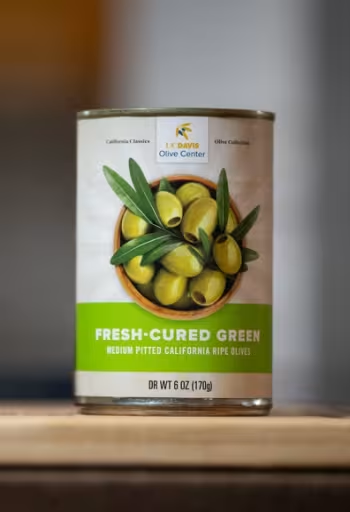
From cooking oil to body butter, our students and scientists not only conduct research at the Olive Center but also make high-quality, pure olive oil consumable products sold at our campus store to support our oil research.